Trading Explained What Works Best and Why You Should Keep It Simple
· based on the channel Tori Trades
Key takeaways
- Trading does not require an economics degree or advanced math skills
- Trendlines are a core element of simple and effective trading strategies
- Managing risk with proper stop placement is essential for futures trading
- Real-time trade tracking tools can improve discipline and results
- Trading futures requires understanding market volatility and quick decision-making
Trading is often perceived as a complex activity requiring advanced knowledge, but the truth is that simple methods can be highly effective. The essence of trading lies in following clear, repeatable strategies that allow traders to identify entry and exit points without overcomplicating the process. A straightforward approach helps avoid confusion and emotional mistakes, making it accessible for many traders, including beginners.
One of the most effective tools in trading is the use of trendlines. They help identify the direction of the market and key levels where price action might reverse or continue. For example, drawing upward or downward trendlines on charts can signal when to enter a trade or when to exit, based on how price interacts with these lines. This method simplifies decision-making and can be applied across various markets, including futures and forex.
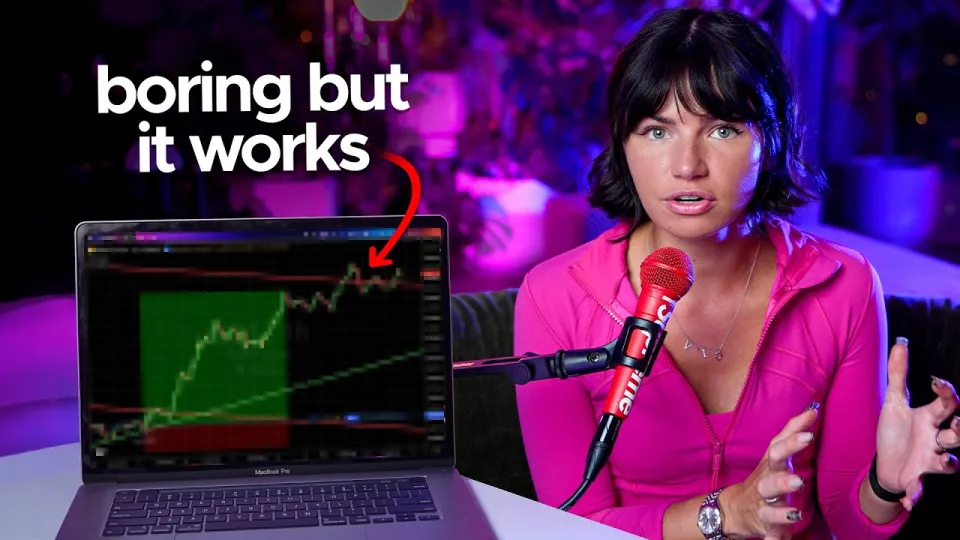
Video: Unfortunately, trading really is this simple
Risk management is a crucial part of trading that should never be overlooked. Setting stop losses properly—often just below a trendline support or resistance level—can protect capital from unexpected market moves. For futures trading, where volatility can be high and price swings rapid, placing stops at logical points on the chart is vital to avoid large losses. Traders are recommended to test their strategies on platforms like TradingView to refine stop placements and entry criteria.
A common question among traders is how to handle volatile markets, such as gold futures, which can change speed dramatically in seconds. The key is to stay alert and be ready to exit trades quickly when the market moves against the position. Using a trading journal or software like TradeZella helps track trades accurately and learn from past experiences, improving future decision-making.
Many traders wonder about the differences between trading commodities like futures and stock trading. Commodity futures often respond more predictably to technical analysis tools such as trendlines and liquidity concepts, whereas stock markets may be influenced heavily by algorithms and news events, sometimes making them harder to predict. Understanding these differences can help traders choose markets that suit their trading style and risk tolerance.
Why Simple Trading Strategies Work Best
Simple trading strategies reduce the chance of overthinking and paralysis by analysis. They focus on a few key indicators or chart patterns, such as trendlines, to make consistent trading decisions. This clarity helps maintain discipline and avoid emotional errors that often lead to losses. For instance, entering a trade when price bounces off a trendline and setting a stop just below that line creates a logical and easily testable plan.
How to Use Trendlines Effectively in Trading
Trendlines are straight lines drawn on charts connecting highs or lows to show the market trend. To use them effectively:
- Identify at least two significant highs or lows.
- Draw the trendline connecting these points.
- Observe how price interacts with the trendline—bounces suggest continuation, breaks suggest reversal.
- Enter trades when price respects the trendline.
- Place stop losses just beyond the trendline to manage risk.
This method works well in futures markets where price respects technical levels.
Managing Risk and Setting Stops in Futures Trading
Risk management involves limiting losses while maximizing gains. For futures:
- Place stop losses below support trendlines or above resistance trendlines.
- Consider market volatility; wider stops may be necessary for highly volatile commodities.
- Use position sizing to ensure no single trade risks more than a small percentage of your capital.
- Actively manage trades; be ready to exit quickly if the market moves against you.
This approach helps protect your account from large drawdowns.
Understanding Market Volatility and Trade Management
Volatility can be extreme in markets like gold futures, where prices can spike or drop rapidly. To manage this:
- Stay alert during volatile periods.
- Use limit orders or alerts to enter or exit trades automatically.
- Avoid holding large positions during sudden market shifts.
- Track trades meticulously to learn from volatile episodes.
This preparation is key for surviving and succeeding in fast-moving markets.
Key Differences Between Futures and Stock Trading
Futures markets generally allow for more direct application of technical analysis tools like trendlines and liquidity concepts. Stocks may be influenced more by algorithms and news, causing unpredictable moves. Understanding this can help traders:
- Choose the right market for their strategy.
- Adjust risk management accordingly.
- Expect different trade behaviors and plan exits carefully.
Common Questions and Concerns from Traders
Many traders ask where exactly to set stops relative to trendlines and how to handle sudden market moves. A practical answer is to set stops just beyond the trendline to allow for minor price fluctuations but avoid big losses. Also, volatility means sometimes trades must be managed actively rather than set and forget.
Useful Links
- Join the waitlist for trading insights and bonuses [https://go.toritradez.com/waitlist-1009]
- Track your trades with TradeZella (use code TORI20 for discounts) [https://www.tradezella.com/?via=victoria]
- Broker recommended by Tori Trades: [https://www.tradestation.com/promo/toritrades/]
Conclusion
Trading is not inherently complicated; simple, well-defined strategies can lead to consistent success. Using tools like trendlines, managing risk carefully, and understanding market conditions are fundamental. Futures trading demands quick decision-making and disciplined trade management, but it is accessible without advanced degrees or math skills. The channel Tori Trades offers practical guidance and proven methods to help traders develop their own effective systems. For those interested in improving their trading, joining the waitlist for Tori Trades resources is a valuable first step at https://go.toritradez.com/waitlist-1009.
Questions & answers
Do I need advanced math or economics knowledge to trade successfully?
No, successful trading often relies on simple, repeatable strategies rather than advanced math or economics degrees. Clear rules and discipline are more important.
Where should I place stop losses when using trendlines?
Stops are typically placed just beyond the trendline to allow for natural market noise but protect against larger adverse moves. The exact distance depends on market volatility.
How do I handle sudden volatility in futures markets like gold?
Stay alert and be ready to exit quickly. Use tools like alerts or limit orders, manage position size carefully, and track trades to learn from volatile moves.
What are the key differences between trading futures and stocks?
Futures often respond better to technical analysis like trendlines, while stocks can be influenced by algorithms and news, making their price action less predictable.
Source: Unfortunately, trading really is this simple · Markdown version